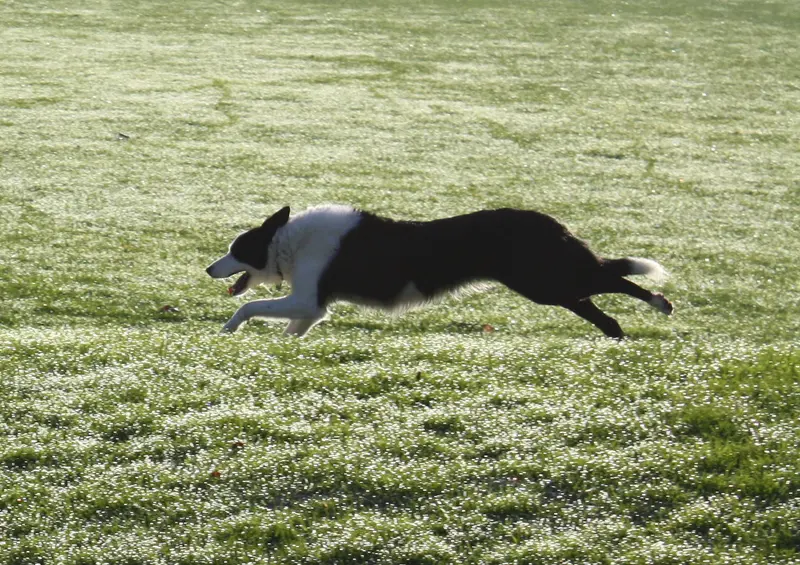
The weeks between Christmas and New Year are hard on some pets. There are fireworks, more visitors than usual, doors opening and closing, and routines that go out of the window. A frightened dog or cat can slip out of an open door in seconds. Here is how to reduce the chance of that, and how to make sure a pet that does get out can be found and brought home.
When the fireworks will be
GOV.UK says it is against the law to set off fireworks between 11pm and 7am, but there are exceptions. On New Year's Eve the cut-off is 1am, the same as for Diwali and Chinese New Year. So expect bangs well after midnight on 31 December, and check with your council for any local rules.
The RSPCA's advice for dogs and cats
The RSPCA warns that frightened pets may bolt, and its fireworks advice includes:
For dogs
- Create a safe space, a den with their bedding and toys, that they can get to at all times.
- Walk your dog in daylight, to avoid the times when fireworks are likely.
- Close windows and curtains to muffle the noise and block the flashes.
- Keep the house and garden secure, so your dog can't escape if there is a sudden bang.
- Ask your vet about pheromone diffusers or, in some cases, medication.
For cats
- Keep your cat indoors, especially after dark.
- Close windows and doors, and block the cat flap, so your cat can't try to escape in fear.
- Give them hiding places: a wardrobe, under a bed or a high shelf.
Rabbits and guinea pigs kept in outdoor hutches should be brought indoors if possible, the RSPCA says.
Visitors and open doors
Fireworks aren't the only risk. With guests arriving, children running in and out and presents being carried from the car, the front door is open far more than usual. A few simple habits help:
- Put the dog or cat in a quiet room with the door shut when guests are arriving or leaving.
- Ask visitors, especially children, to close doors and gates behind them.
- Check the garden fence and gate before the evening, not after the first bang.
The law: microchips and collar tags
A tracker never replaces the legal basics. GOV.UK says:
- All dogs in the UK must be microchipped and registered by the time they are 8 weeks old.
- Cats in England must be microchipped and registered by 20 weeks old, including cats that usually stay indoors. In Scotland, Wales and Northern Ireland it is your choice.
- You can be fined up to £500 if your pet isn't microchipped when it needs to be.
- A microchipped dog must still wear a collar and tag with your name and address when in a public place.
- You are responsible for keeping the microchip details up to date, for example if you have moved house.
If you have moved this year, or changed your phone number, now is a good time to update the database the chip is registered with.
Where trackers fit
An AirTag or other Bluetooth tag is not a pet tracker. Apple says the new AirTag is designed for tracking objects, not people or pets, and Google says locator tags shouldn't be used to track pets. A Bluetooth tag only updates when a phone on its network passes nearby, which is not much help for a frightened cat under a hedge. Our guide to AirTags and pets explains the difference.
A GPS pet tracker has its own GPS and, usually, a mobile connection, so it can report a location wherever there is signal. Most need a subscription, and all need charging. These are the ones on the site, with the makers' battery and subscription details:
Product pages link to Amazon.co.uk with affiliate links. As an Amazon Associate I earn from qualifying purchases.
If you have one, before New Year:
- Charge it fully on the 31st. Battery life varies a lot between models and with how often the tracker reports, as the cards above show.
- Check the subscription is active and the app is signed in on the phones of everyone who might need it.
- Check it is fitted firmly to the collar or harness.
Our GPS pet trackers page compares them in more detail.
If your pet does get out
Check the tracker app if you have one, and search close to home first, including sheds and garages. Let your neighbours know, and keep a recent photo on your phone so you can show people quickly.
Sources
- RSPCA — pets and fireworks
- GOV.UK — Fireworks: the law
- GOV.UK — Get your dog or cat microchipped
- Apple Newsroom (UK), 26 January 2026 — new AirTag (designed for objects, not people or pets)
- Android Help — be ready to find a lost Android device (locator tags, left-behind notifications)
Checked 23 November 2026.
This article is general information, not legal, safety or insurance advice for your situation. If you are in danger, call 999.