
Winter is hard on the things we carry. Keys get dropped in puddles, bags sit in the rain at the bus stop, and a dog's tag goes through snow, mud and the occasional river. Most trackers carry an IP rating that says how well they keep out dust and water. Here is how to read one, and what the makers add in the small print.
Reading the two digits
An IP ("ingress protection") code is defined by the international standard IEC 60529. It's made up of the letters IP and two digits:
- The first digit is for solids such as dust, from 0 to 6. A 6 means dust-tight.
- The second digit is for water, from 0 upwards. Some levels you'll see on trackers:
- 4 — splashing water from any direction shouldn't cause harm;
- 5 and 6 — water jets, with 6 meaning more powerful jets;
- 7 — immersion up to 1 metre for 30 minutes;
- 8 — continuous immersion beyond 1 metre, to a depth the maker specifies.
- An X in place of a digit means it wasn't rated for that. IPX4 therefore means "splash-resistant; no dust rating given".
Ratings are tested with fresh water. Protection against other liquids, such as salt water, oils or solvents, isn't covered by the rating.
What the makers say
Makers state the conditions behind their ratings, and they're worth reading:
- Apple says the AirTag (2nd generation) is "Rated IP67 (maximum depth of 1 metre up to 30 minutes) under IEC standard 60529". It adds that "splash, water and dust resistance are not permanent conditions and resistance might decrease as a result of normal wear."
- Samsung's UK page for the Galaxy SmartTag2 lists IP67, based on lab tests "for submersion in up to 1 meter of freshwater for up to 30 minutes". It says the tag is "Not advised for beach, pool use or soapy water" and that its resistance "is not permanent and may diminish over time."
Other trackers range from splash-resistant to IP68. Our comparison table lists each maker's stated rating, and every product page links to the maker's own specs.
-
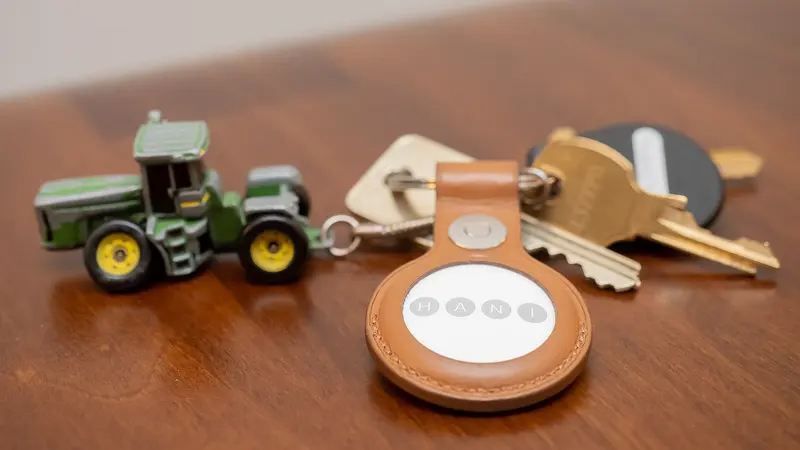 Photo: ajay_suresh, CC BY 2.0
Apple AirTag (2nd generation)
Apple · January 2026
- Phones
- iPhone
- Battery
- CR2032 coin cell
- Lasts
- More than a year
- Water
- IP67
-
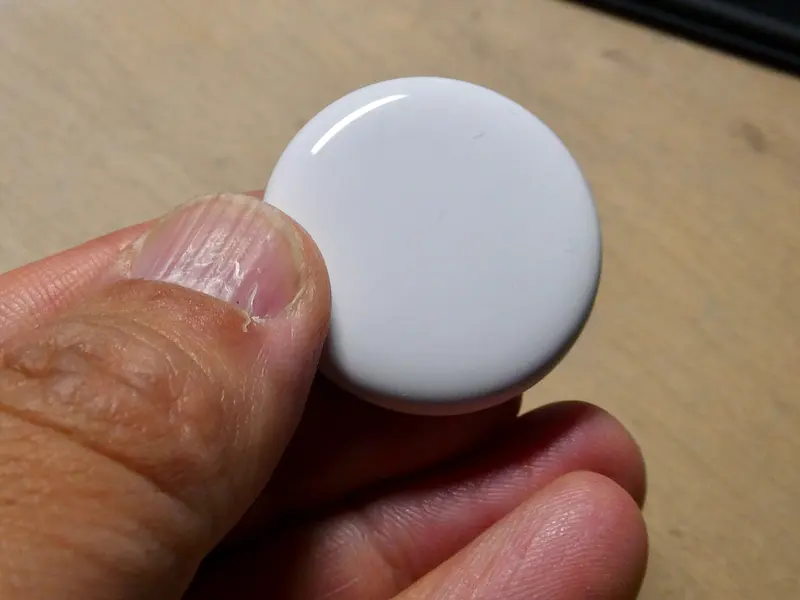 Photo: KKPCW, CC BY-SA 4.0
Apple AirTag (1st generation)
Apple · April 2021
- Phones
- iPhone
- Battery
- CR2032 coin cell
- Lasts
- Over a year with everyday use
- Water
- IP67
-
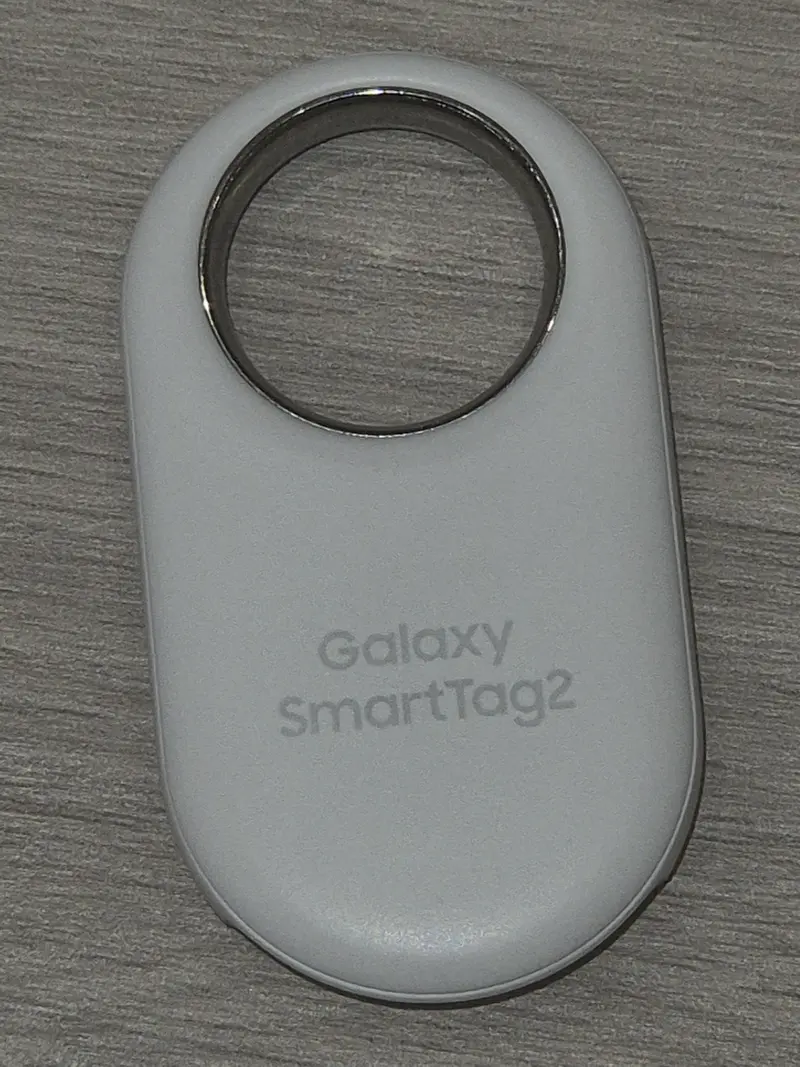 Photo: ItzANormalFioko, CC BY-SA 4.0
Samsung Galaxy SmartTag2
Samsung · October 2023
- Phones
- Samsung Galaxy
- Battery
- CR2032 coin cell
- Lasts
- Up to 500 days
- Water
- IP67
Product pages link to Amazon.co.uk with affiliate links. As an Amazon Associate I earn from qualifying purchases.
What that means in real life
- Rain and snow: a tag rated IP67 or IP68 should cope with being rained on or dropped in snow. An IPX4 or "water-resistant" tag is meant for splashes, so keep it inside a pocket or bag in heavy weather.
- A dropped set of keys in a puddle: fish them out, dry the tag and check it still responds — play a sound from the app.
- The washing machine: no rating covers hot, soapy water being tumbled for an hour. Samsung specifically warns against soapy water. Take tags off coats and bags before washing them, and check pockets.
- The sea and the swimming pool: ratings are tested in fresh water. Samsung advises against beach and pool use.
- Age: both Apple and Samsung say resistance can decrease over time, so a tag that has been knocked about for a couple of years may not protect as well as a new one.
Battery doors and accessories
After you change the battery, make sure the cover is closed exactly as the maker's instructions show before the tag goes back outdoors.
If you put a tag in a holder or case, check what the holder's maker says about water rather than assuming it adds protection. Our accessories list links to each maker's page. For pets, see AirTags and pets; for bikes, trackers for bikes.
A quick winter check
- Look up your tag's rating on our trackers list.
- Keep splash-resistant tags inside a pocket in heavy rain.
- Take tags off before anything goes in the wash.
- After a soaking, let it dry, then test it with Play Sound.
Cold matters too — see tracker batteries in winter for operating temperatures.
Sources
- Apple Support: AirTag (2nd generation) tech specs
- Samsung UK: Galaxy SmartTag2
- Wikipedia: IP code (IEC 60529)
Checked 23 November 2026.
This article is general information, not legal, safety or insurance advice for your situation. If you are in danger, call 999.